Selective Mutism in Children: What Parents Need to Know About Diagnosis, Therapy, and the Path Forward
Your child talks freely at home but goes silent at school. That silence has a name, a cause, and a treatment that works.
"She's just shy. She'll grow out of it."
The Reality
Selective mutism is an anxiety disorder, not a personality trait. Children who have it can talk freely in some settings but find it physically impossible to speak in others. Without treatment, it doesn't go away on its own. It gets harder to treat with every passing year.
If your child talks your ear off at home but goes completely silent at school, at the pediatrician's office, or around relatives, you've probably heard some version of that myth. Friends reassure you. Teachers suggest patience. Maybe even a well-meaning doctor told you not to worry. And so you wait.
Here's the thing: waiting is the one thing that makes selective mutism worse. Not because you did anything wrong, but because every day a child spends in silence outside the home is another day that silence becomes their identity. Their classmates stop expecting them to talk. Their teacher stops calling on them. And the child starts to believe this is simply who they are.
According to Bryce Gosney, PMHNP, a board-certified psychiatric provider at Good Day Mental Health, early intervention changes the trajectory entirely. He describes how untreated selective mutism entrenches itself: the child creates a world, a lifestyle, and an identity that supports them as a person who doesn't need to speak. Once that pattern solidifies, it becomes significantly harder to reverse.
Selective mutism sits under the anxiety umbrella in the DSM-5. That distinction matters. This isn't defiance, stubbornness, or a choice. The child who chats happily at the dinner table truly cannot produce speech in settings where anxiety takes over. Their vocal cords work fine. Their brain's threat-detection system is the problem, and it's misfiring in situations most children navigate without thinking twice.
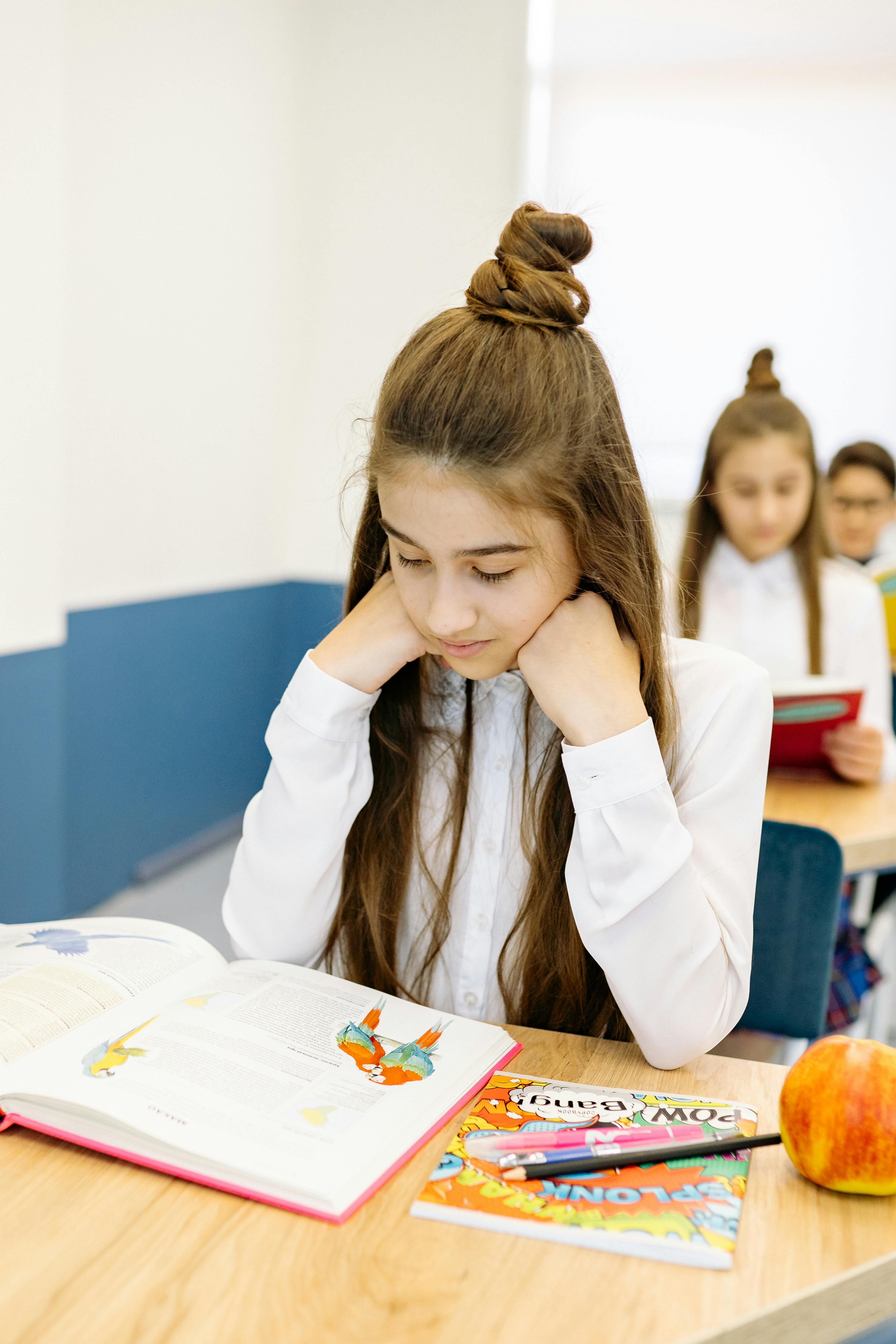
What Does Selective Mutism Actually Look Like?
According to Dr. Clarissa Gosney, PsyD, a licensed psychologist at Good Day Mental Health, selective mutism typically shows up in early school-aged children, around preschool through first grade. Most parents she works with say the same thing: they thought their child was just shy, until they realized the inability to talk with others at school or in the community was causing real distress.
That's the key distinction, and it's one that catches many families off guard. Shyness might slow a child down in new situations, but it doesn't stop them cold. A shy child will eventually warm up, answer the teacher, or whisper to a new friend at the playground. A child with selective mutism won't. Not because they don't want to. Because they can't. The anxiety is that powerful.
Research confirms that the clinical picture goes well beyond silence. A 2025 systematic review found that children with selective mutism frequently display fear, motor freezing, and avoidance behavior in addition to their inability to speak (Vogel et al., 2025). You might notice your child physically stiffen around unfamiliar adults, avoid eye contact in public, or cling to you when someone asks them a direct question. These aren't quirks. They're symptoms.
Getting the Right Diagnosis (and Why It Matters So Much)
One of the most important things to understand about selective mutism is that it's frequently confused with other conditions. Dr. Clarissa Gosney notes that children with selective mutism are often misdiagnosed by therapists and pediatricians as being on the autism spectrum. That confusion leads families down the wrong treatment path, sometimes for years.
"Selective mutism often goes away when a child goes home. Autism doesn't."
Dr. Clarissa Gosney, PsyD, Licensed Psychologist
That's one of the simplest and most useful clinical distinctions for parents to hold onto. If your child speaks freely and spontaneously at home, with fluid language, age-appropriate vocabulary, and normal social engagement with family members, that pattern strongly suggests selective mutism rather than autism spectrum disorder. A child on the spectrum will typically show communication and social differences across all settings, not just public ones.
Dr. Clarissa Gosney emphasizes that it takes a licensed clinician with specialized experience in selective mutism to tell the difference reliably. At every intake interview, the clinician should ask for an audio or video recording of the child speaking freely at home, so that they can identify any autism spectrum disorder, language disorder, or communication disorder that might be present. That home recording is a small step that can prevent years of misdirected treatment. She also notes that it's possible for a child to have both selective mutism and autism spectrum disorder, which is another reason specialized evaluation matters.
From the psychiatric perspective, Bryce Gosney adds that a diagnostic interview is almost always sufficient to identify selective mutism. Formal psychological testing becomes necessary when there's suspicion of co-occurring conditions like ASD, or a speech or learning disorder. For a straightforward selective mutism presentation, most families can move directly into treatment without waiting for an extensive evaluation. When the picture is less clear, psychological testing can sort out overlapping diagnoses and make sure the treatment plan fits the child's actual needs.
Key Takeaway
If your child talks freely at home but cannot speak in other settings, don't accept "they'll grow out of it" as the answer. Ask your pediatrician for a referral to a clinician who specializes in selective mutism. Getting the right diagnosis early shapes everything that follows.
How Therapy for Selective Mutism Works
Selective mutism therapy doesn't look like traditional talk therapy. That would be ironic, of course, since the child isn't talking. Instead, treatment relies on carefully structured behavioral techniques that gradually build the child's comfort with speaking in new settings. The therapist isn't forcing anything. They're creating conditions where speech becomes possible, then likely, then natural.
Dr. Carissa Douglas, PsyD, a licensed psychologist and the director of the Outside Voice Selective Mutism Camp, describes the process as beginning with a thorough parent intake. She gathers specific details: who the child speaks to, where they speak, whether they talk to any teachers or peers. That information shapes the entire treatment approach. Every child's speaking map looks different, and the therapist needs to know exactly where the boundaries are before she can start moving them.
The early sessions involve the parent in the room. Therapy typically starts with the child speaking to the parent while the therapist is present. Dr. Douglas uses Child-Directed Interaction and Verbal-Directed Interaction techniques to gradually draw the child into responding to her directly. The shift is subtle and deliberate. Once the child starts answering the therapist, the parent receives a signal to step out of the room. The goal at that point is to keep the child talking directly to the clinician after the parent leaves.
Dr. Clarissa Gosney adds her own perspective on the process, describing it through the lens of Parent-Child Interaction Therapy for Selective Mutism (PCIT-SM) combined with play-based therapy. She notes that for some children, the parent actually needs to leave the room before the child will speak in front of the clinician at all, and the subsequent step is reintroducing the parent while maintaining the child's speech. Every child follows a slightly different path. A skilled SM therapist reads the child's anxiety in real time and adjusts accordingly.
Once a child is comfortably speaking with the therapist, the work moves outward. Dr. Douglas describes bringing other adults or peers into the therapy room, going out to the ice cream shop to practice ordering, and even visiting the child's school to support speech with teachers and classmates. This isn't something that happens in a single week. It unfolds gradually, session by session, following the child's pace while gently pushing past each new edge of their comfort zone.
The Role Parents and Teachers Play
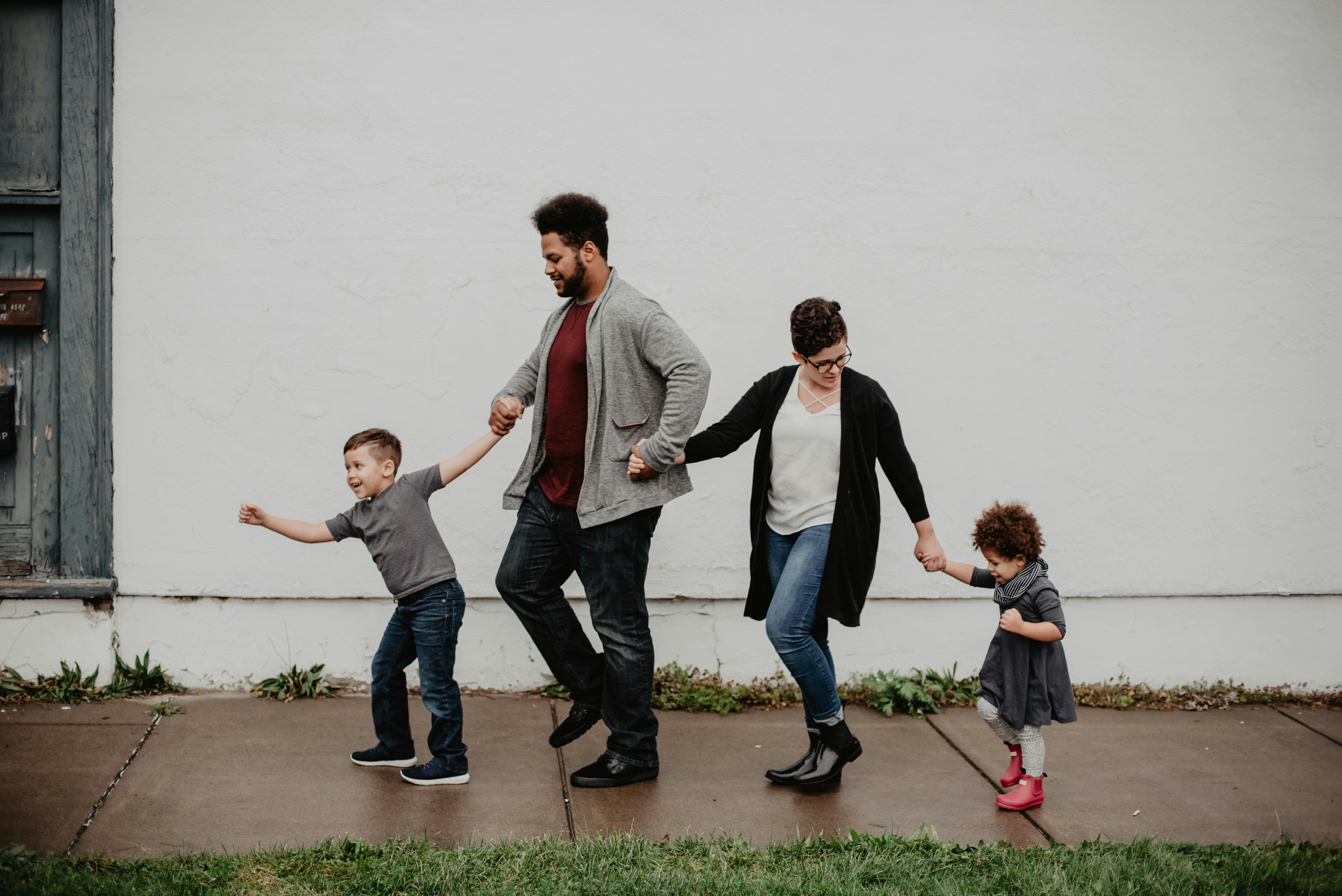
Here's something that surprises most families: the adults around the child are often accidentally making the problem worse. Not out of carelessness. Out of love.
Dr. Clarissa Gosney paints a vivid picture of how this plays out. She describes a scenario where a child walks through the park with her parents and they encounter a family friend who asks the girl how old she is. The child hides behind her parents, who explain that she's shy and answer the question for her.
"The parents have now become the superheroes, rescuing their child from the anxiety of someone else speaking with her, and she has become the damsel in distress."
Dr. Clarissa Gosney, PsyD, Licensed Psychologist
That rescue, Dr. Clarissa Gosney explains, typically perpetuates the anxiety, making it even harder for the child to respond the next time someone approaches. Anxiety disorders involve both nature and nurture. We can't change the genetic component, but we can change how the environment responds to the child's silence.
Instead of labeling a child as "shy," the team at Good Day Mental Health teaches parents to explain that their child has a hard time talking to people outside the home and that they're working on their brave talking. That language matters. "Shy" becomes part of the child's identity. "Working on brave talking" positions the child as someone in the process of building a skill.
Bryce Gosney reinforces that families need to practice selective mutism exposures every single day, not just at the weekly therapy session. Once children settle into a habit of not speaking, that habit strengthens unless it's actively challenged. If a family isn't confident in the skills the therapist has taught, he strongly encourages them to ask for a refresher so they can confidently take the child into public situations and support the brave talking process.
The Good Day Mental Health team extends this work beyond the office, involving school teachers, coaches, shop clerks, and relatives in the treatment process. Dr. Clarissa Gosney puts it simply: it takes a village to support a child through selective mutism treatment.
Outside Voice Selective Mutism Camp
Weekly therapy is effective for selective mutism. But there's a limit to how quickly progress can happen in one session per week. That's where an intensive format changes the equation.
"Parents are shocked when I tell them their child talked to new adults, peers, talked in a group setting, or even raised their hand in that setting."
Dr. Carissa Douglas, PsyD, Licensed Psychologist, Director of Outside Voice SM Camp
Dr. Douglas describes the Outside Voice Selective Mutism Camp as an intensive treatment program with separate tracks for younger children and teenagers. The teen track is especially unique: adolescents serve as junior camp counselors, which gives them the chance to work on their brave talking while also developing leadership and assertive skills.
The camp runs exposures for several hours each day over a four-day period. That concentrated intensity produces results that weekly therapy simply can't match on the same timeline. Four days of sustained, supported exposure can accomplish what might take months of once-a-week sessions. The child isn't just practicing speech in one room with one therapist; they're speaking to new people, in group settings, in real-world situations, repeatedly, all within a structured clinical environment designed to keep the experience safe and effective.

When Medication Becomes Part of the Conversation
Medication is not the first step for selective mutism, and it may never be needed. But there are situations where it becomes an important tool. Bryce Gosney frames the decision clearly: a skilled therapist who is an expert in selective mutism exposure therapy should take the lead. Medication should be considered when treatment does not progress at the rate outlined in the therapist's treatment plan and the projected milestones aren't being met.
He's candid about the medication landscape for selective mutism: there are no FDA-approved medications for this condition at any age. Treatment frequently begins in children younger than the approved age range for the medications used. That means prescribing is off-label. Bryce emphasizes that this is perfectly acceptable because the safety and efficacy of SSRIs have been demonstrated extensively in peer-reviewed research. An early open trial found that 76% of children with selective mutism showed improvement with fluoxetine treatment, including reduced anxiety and increased speech in public settings (Black & Uhde, 1996).
SSRIs like fluoxetine and sertraline are the starting point. These medications work in the prefrontal cortex to reduce negative emotional reactivity, which gives the child a slightly wider window to remember and use the brave talking skills they've learned in therapy. The medication doesn't make a child talk. It lowers the wall of anxiety just enough for the therapeutic work to reach them more effectively.
A small comparative study also showed that children treated with SSRIs had greater overall improvement, better day-to-day functioning, and more speech outside the family compared to unmedicated children (Manassis et al., 2008).
Key Takeaway
Medication for selective mutism supports therapy. It doesn't replace it. SSRIs can reduce anxiety enough for the child to engage more fully with the brave talking process. If your child's psychiatry provider and therapist are both involved, the decision becomes collaborative, clear, and tailored to your child.
Selective Mutism Can Continue Into Adulthood
Most of the research and clinical attention focuses on children, and that's where treatment is most effective. But Bryce Gosney wants parents and adults alike to know that untreated selective mutism can persist into adulthood. The disorder doesn't automatically resolve with age. A 2023 systematic review of long-term outcomes confirmed that selective mutism symptoms can continue for years or even decades without intervention, and adults with a history of SM carry elevated risks for social anxiety and other psychiatric conditions (Systematic review, Eur Child Adolesc Psychiatry, 2023).
For adults, treatment follows a similar path: anxiety-reducing medications paired with repeated exposure therapy guided by a skilled therapist. If you're an adult who has lived with untreated selective mutism, or if you recognize these patterns from your own childhood, know that effective treatment exists. It's never too late, even if it would have been easier to address decades ago.
Early Intervention Is Everything
If there's one message the entire Good Day Mental Health team agrees on, it's this: don't wait. A randomized controlled trial found that younger children responded significantly better to behavioral treatment than older children, underscoring that early intervention produces the strongest outcomes (Oerbeck et al., 2020).
Bryce Gosney puts it in terms that are hard to forget: every day a child goes to school without talking is another day they decide they are a child who doesn't speak. It's another day the students decide they don't need to talk to that child. Another day the teacher stops calling on them. The longer the child goes without treatment, the more the disorder entrenches itself.
A follow-up study of children treated with modular cognitive behavioral therapy found robust improvement in selective mutism symptoms, social anxiety, and specific phobia at follow-up, with a mean age of symptom onset at 3.4 years and a mean age at treatment start of 6.4 years (Lang et al., 2016). That gap of three years between onset and treatment is typical. It's also avoidable.
Frequently Asked Questions About Selective Mutism
Your Child's Voice Is Waiting
Good Day Mental Health specializes in selective mutism treatment for children and teens. Our team includes clinicians trained in PCIT-SM, exposure therapy, and the Outside Voice Selective Mutism Camp. We're accepting new patients in Ogden and via telehealth throughout Utah. Most major insurance accepted. No waitlist.
Schedule a Consultation Learn About Selective Mutism