

PTSD has many faces.
It does not always wear a uniform or carry a badge. Trauma can look like our sons and daughters, our sisters and brothers.
Evidence-based trauma therapy and psychiatric medication management for children, teens, adults, and veterans in Ogden, Utah. Typically seen within 3 days.

You deserve healing and peace of mind.
Post-traumatic stress disorder, or PTSD, is a mental health condition that can develop after experiencing or witnessing traumatic events such as abuse, violence, accidents, or medical trauma. PTSD affects how the brain processes memory and threat, often keeping the nervous system in a state of alert long after danger has passed. These responses are not a sign of weakness but a brain-based reaction to overwhelming stress.
PTSD can cause intrusive memories, emotional distress, and physical symptoms that interfere with daily life, relationships, work, or school. Trauma-focused therapy and, when appropriate, psychiatric medication can help calm the nervous system and safely process traumatic memories. At Good Day Psychiatry, we provide evidence-based PTSD treatment using Cognitive Processing Therapy and Trauma-Focused Cognitive Behavioral Therapy, with coordinated psychiatric support when needed.

PTSD
Not a sign of weakness. Not a personal failure. A brain-based response to overwhelming stress.
PTSD alters activity in the amygdala, hippocampus, and prefrontal cortex. Traumatic memories are stored as fragments, sounds, smells, and sensations without a time stamp, which is why they can feel as vivid years later as the day they happened. The National Institute of Mental Health recognizes PTSD as a well-established trauma-related condition.
Why it persists
Avoidance reinforces the cycle. Every time you avoid a trigger, the brain reads it as confirmation that the threat is still active, and the memory never gets reprocessed. That is why structured treatment works. It gives the brain the process it needs to file the memory properly. More in how therapy helps adults move forward.
Trauma can affect anyone
It can follow a car accident, a violent assault, a medical crisis, childhood abuse, the sudden death of someone you love, or secondhand exposure. Adults often carry childhood trauma into their thirties, forties, or sixties before symptoms fully surface, and a delayed onset does not make it any less treatable.
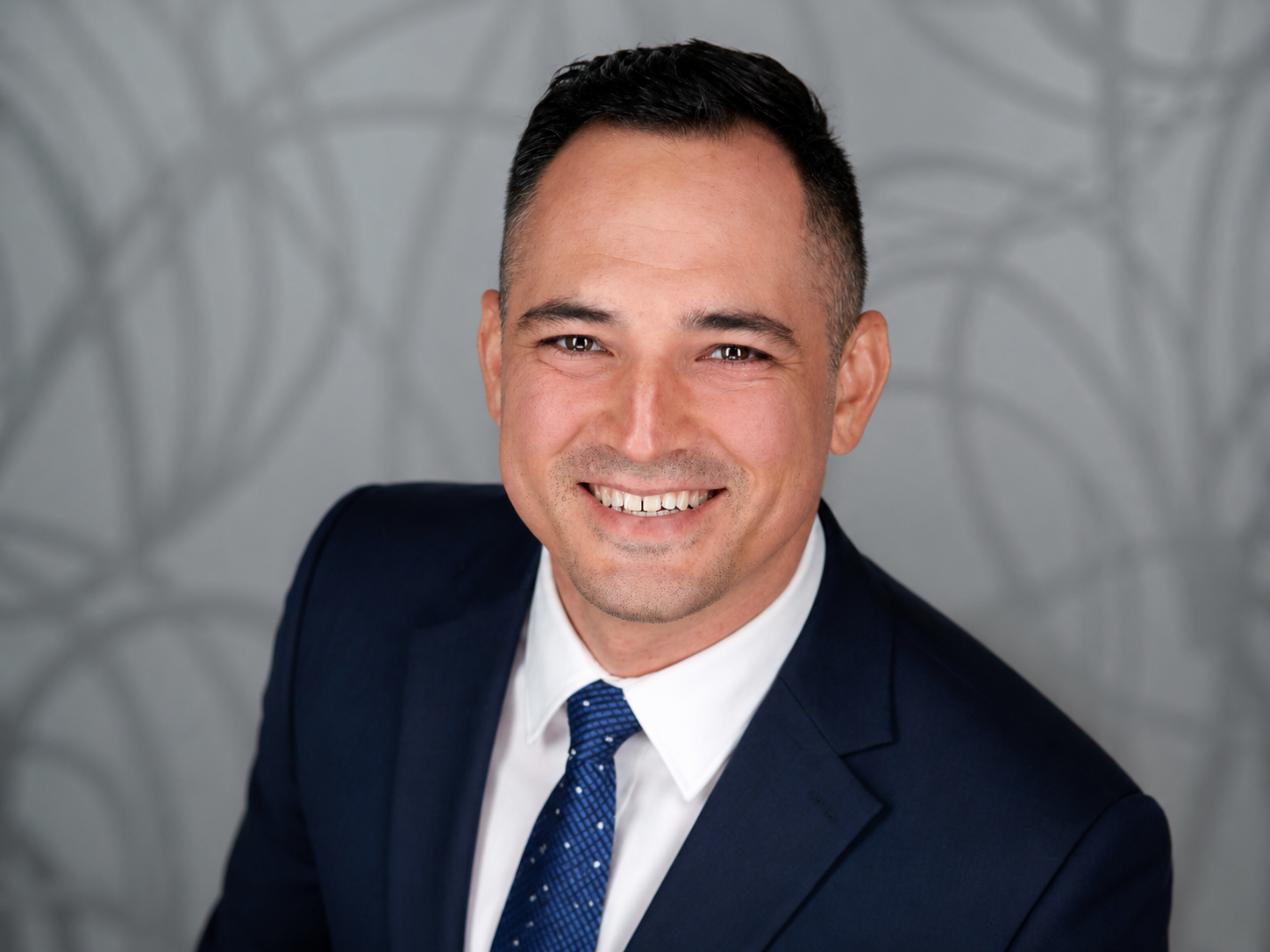
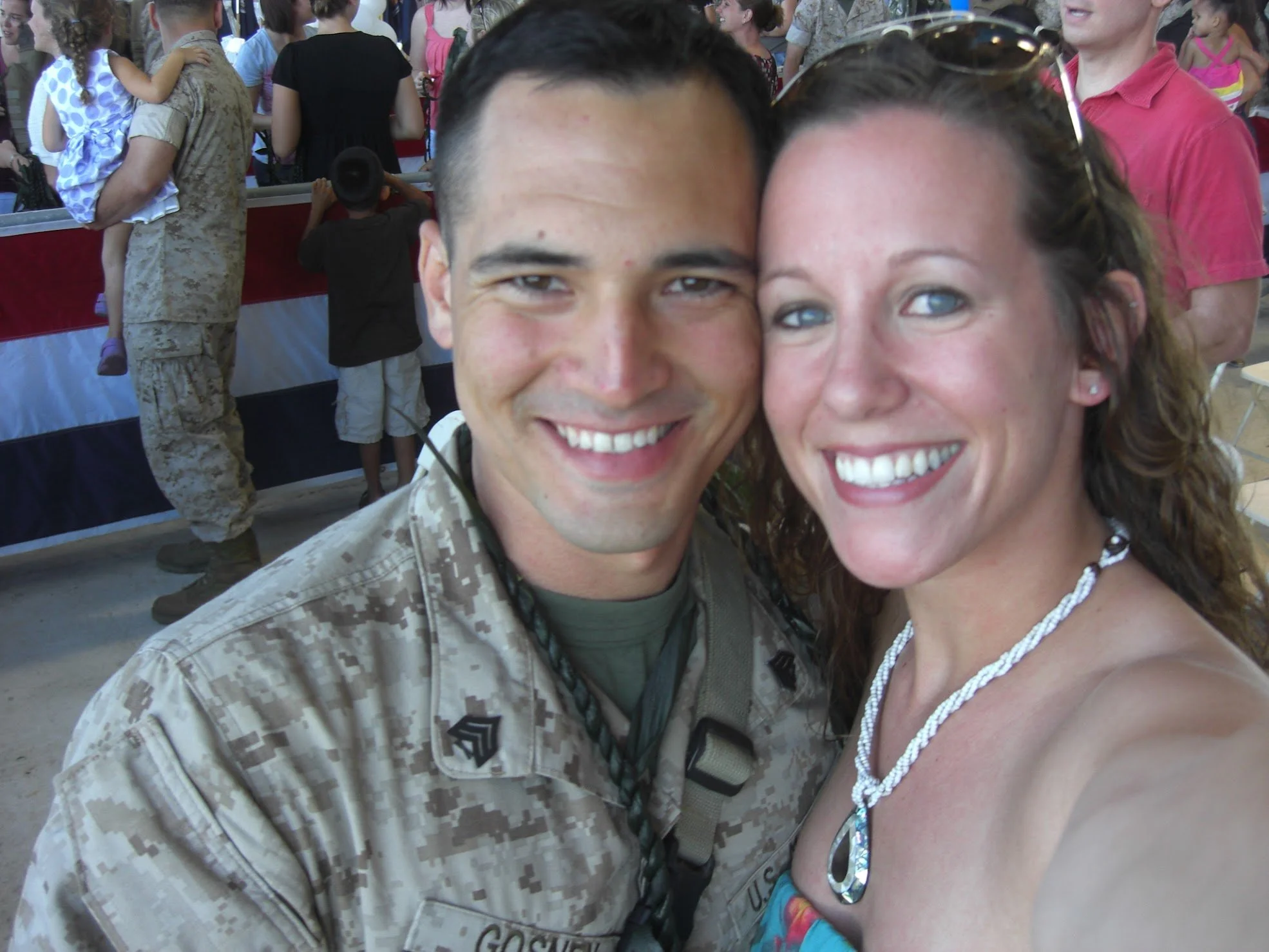
Bryce Gosney
PMHNP-BC · MSN
Trauma treatment from a Marine Corps veteran and a military spouse.
Before he was a psychiatric provider, Bryce Gosney, PMHNP-BC spent a career around the events that bring people to this page.
Dr. Clarissa Gosney, PsyD was a military spouse through his deployment to Afghanistan. She knows what deployment does to the family waiting at home, and what comes after it.
None of that means we have lived your experience, and we will not pretend otherwise. It does mean you will not have to explain what a bad call sounds like, or why the smell of a hospital hallway still stops you.
They work together with our therapy team, so trauma-focused therapy and medication management stay coordinated rather than running as two separate tracks.

What our providers say about PTSD
Our team includes a licensed psychologist and a psychiatric nurse practitioner working together on every trauma case. These are their perspectives from clinical practice.
"Avoiding talking about trauma is what gives it more power. PTSD responds well to therapy. The sooner you begin, the sooner the brain gets the help it needs."
Clinical Director · CPT-Trained · Full bio
"The first few sessions of trauma therapy are spent building rapport and getting to know the client. I also make sure clients have coping skills before starting trauma work. Having those skills to use while processing the trauma is vital."
Licensed Psychologist · Full bio
"Trauma becomes PTSD when these reactions affect your family, your sleep, or your ability to feel happiness and joy. That is when you need to take treatment more seriously and consider specialized PTSD therapy."
Psychiatric Nurse Practitioner · Combat Veteran · Full bio
What are the symptoms of PTSD?
Common PTSD symptoms include intrusive memories or flashbacks, nightmares, avoidance of reminders, emotional numbness, hypervigilance, irritability, and difficulty sleeping or concentrating. Symptoms vary from person to person and can change over time, often intensifying during periods of stress.
Trauma-focused therapy and, when appropriate, psychiatric medication can reduce symptoms and improve daily functioning.
Schedule an appointment

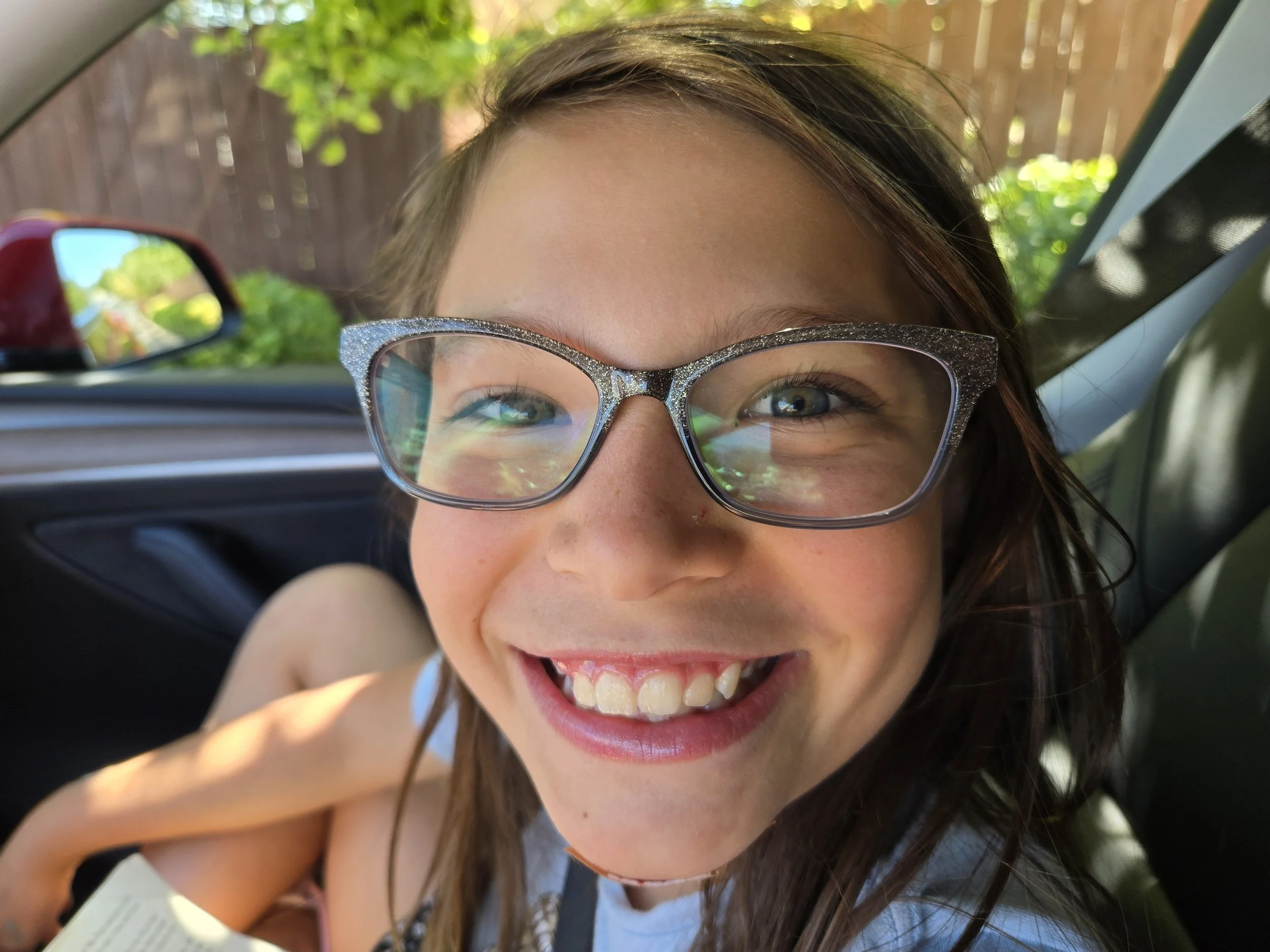
Children and Teens
Childhood trauma
"Trauma work is extremely difficult. Before we begin any processing, I make sure clients have coping skills they can use when thinking about their trauma. Safety comes first."
Dr. Clarissa Gosney, PsyD
Clinical Director, Good Day Mental Health · Full bio
Abuse, neglect, or adverse early experiences can alter development and resurface long into adulthood. Our pediatric therapy team uses TF-CBT for ages 3 to 18, coordinated with pediatric psychiatry when needed.

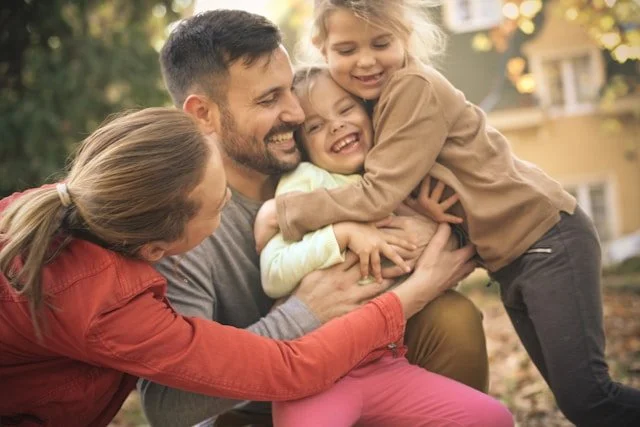
Adults
Trauma in adults
"The first few sessions of trauma therapy are spent building rapport and getting to know the client. It is important they feel comfortable and are in a safe space to process their trauma."
Dr. Carissa Douglas, PsyD
Licensed Psychologist, Good Day Mental Health · Full bio
Abuse, accidents, violence, medical crises, or witnessing trauma. Symptoms may not surface for years. Evidence-based treatment is effective no matter how long ago the trauma occurred. Read our PTSD treatment guide or learn about our therapy services.

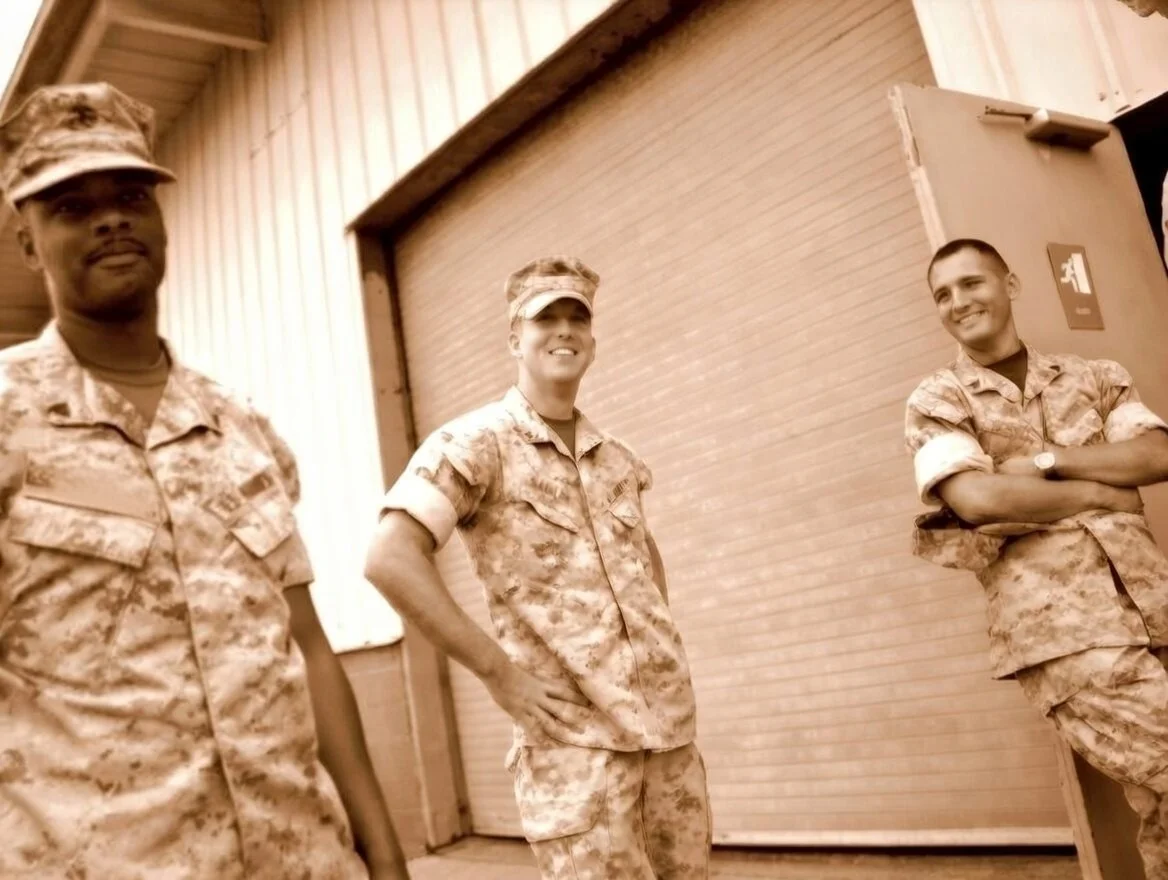
Military and First Responders
Military and workplace trauma
"When we deal with fear and anxiety as typical workplace hazards, we need to be cautious not to take our training and experience home with us."
Bryce Gosney, PMHNP-BC
USMC Combat Veteran · Former Flight Paramedic · Full bio
Our staff includes military veterans, military spouses, and emergency first responders. We understand the culture, the exposure, and what it takes to ask for help. CPT is the VA-recommended gold standard for military PTSD. Tricare West accepted.

How we treat PTSD.
Cognitive Processing Therapy (CPT)
The gold standard for adult PTSD and the treatment recommended by the VA. Dr. Clarissa Gosney, PsyD is CPT-trained under the Chief Psychologist at VA San Diego. 12 weekly sessions. Meta-analysis shows the average patient fares better than 89% of control conditions. Manualized, evidence-based, and structured processing.
Trauma-Focused CBT (TF-CBT)
Developmentally appropriate trauma processing for children and teens. Available through our pediatric therapy team. Dr. Carissa Douglas, PsyD specializes in military family trauma and childhood adverse experiences.
Acceptance and Commitment Therapy
Teaches acceptance of difficult thoughts and emotions rather than fighting to eliminate them. Works alongside CPT and TF-CBT. Mindfulness-based tools for tolerating distress in the moment while the deeper processing continues. Available at our Ogden clinic.
Psychiatric medication management
Psychiatric PTSD treatment starts with supporting healing and high-quality sleep. Prazosin reduces the nighttime stress response and nightmare frequency. SSRIs can ease symptoms. Our psychiatric providers explain every medication before prescribing. Combined therapy and medication produces the strongest long-term outcomes.


How is PTSD diagnosed?
PTSD is diagnosed through a structured, evidence-based evaluation that examines trauma exposure, symptom patterns, duration, and impact on daily functioning. Clinicians assess core symptom clusters, including intrusion, avoidance, changes in mood and thinking, and hyperarousal, and confirm that symptoms have persisted for more than one month.
A high-quality diagnostic process uses multiple data sources rather than a single checklist, such as a detailed trauma history, standardized measures, and assessment of related conditions like sleep problems or dissociation. At Good Day Psychiatry, psychological expertise in trauma assessment is combined with psychiatric evaluation to guide whether therapy alone is appropriate or whether medication may help support sleep, mood, or physiological regulation.
-
Medication can be helpful for some people with PTSD, especially for symptoms like sleep disruption, anxiety, or mood instability. Medication does not replace therapy, but it can support the nervous system and make therapy more effective. At Good Day Mental Health, medication is individualized and coordinated with trauma-focused therapy.
-
Children and teens with PTSD may show behavioral changes, regression, separation anxiety, irritability, or difficulty at school. Younger children may reenact trauma through play, while teens may withdraw or engage in risk-taking behaviors. Trauma-focused therapy designed for youth can support healthy emotional development and coping.
-
Cognitive Processing Therapy and Trauma-Focused Cognitive Behavioral Therapy are among the most well-researched and effective treatments for PTSD. These therapies help individuals understand and change unhelpful trauma-related thoughts while safely processing memories. Working with a therapist trained in trauma care is key to successful treatment.
-
Some people experience symptom improvement over time, but PTSD often persists without treatment. Avoidance can temporarily reduce distress while reinforcing long-term symptoms. Trauma-focused therapy helps promote lasting recovery and reduces the risk of symptoms becoming chronic.
-
Complex PTSD, often called cPTSD, develops after repeated or prolonged trauma, especially when the trauma occurs in childhood or within relationships where escape was not possible. In addition to core PTSD symptoms, cPTSD involves disruptions in emotional regulation, self-concept, and interpersonal functioning, reflecting long-term changes in stress-response systems and attachment circuitry. Chronic activation of threat pathways affects identity development and relational safety. At Good Day Mental Health, we address cPTSD with specialized trauma-focused therapies that target both memory processing and regulation skills, while psychiatry supports stabilization of mood, sleep, and physiological arousal when needed.
-
Yes. A randomized clinical trial of CPT delivered by telehealth found outcomes equivalent to in-person treatment. Good Day Mental Health offers telehealth throughout Utah and Missouri. Serving Ogden, North Ogden, Roy, Clearfield, Layton, Weber County, Davis County, and the Wasatch Front. Contact us or call (801) 791-4975.
-
Yes. We accept most major insurance plans including Blue Cross / BCBS / Anthem, Aetna, Evernorth (Cigna), UHC / UBH / Optum, Tricare West, Select Health, EMI, and DMBA. We also offer CareCredit financing and scholarships. Call (801) 791-4975 to verify coverage.
-
Yes. Bryce Gosney, PMHNP served nine years in the Marine Corps with combat tours in Iraq and Afghanistan. Dr. Carissa Douglas, PsyD has specialized training in military family trauma. Dr. Clarissa Gosney is a proud military spouse. We accept Tricare and understand military culture, repeated deployments, and how military stress differs from civilian trauma presentations.
-
Yes. Our pediatric therapy team uses TF-CBT, designed specifically for children ages 3 to 18. We also offer medication management for PTSD in children and youth when appropriate.
The Elite Dual Intake
Most practices schedule a single intake and jump straight to treatment. We do it differently.
Your therapist and psychiatric nurse practitioner meet you together at your very first appointment. You tell your story once. Both hear your history, compare observations in real time, and build one unified plan before you leave.
You leave with a written care plan that guides every session from day one. No guesswork, no wandering, and no repeating your trauma to a second provider weeks later.
Learn about the Elite Dual IntakeClinical interview with your therapist
A comprehensive conversation about your history, your symptoms, and what you want treatment to change.
Two experts, one conversation
A psychiatric prescriber and your therapist are both in the room, so you only have to tell your story once.
One unified treatment plan
Both providers collaborate in real time. You leave with a complete, coordinated plan rather than two separate tracks.
You do not have to carry this alone.
Trauma therapy and psychiatric care for children, teens, adults, and veterans. Most major insurance accepted, including Tricare West.
Ogden · North Ogden · Roy · Layton · Clearfield · Farmington
Weber County · Davis County · Wasatch Front


From the Blog