

Psychological Testing · Ogden, Utah
Psychological TestingGives You Answers
Psychological testing by Dr. Clarissa Gosney, PsyD, a licensed clinical psychologist in Ogden, Utah, using rigorously validated assessments to give you a clear, written diagnosis and a specific plan of action.


More than a test. A map of how your mind works.
Psychological testing is a structured battery of validated assessments interpreted by a licensed psychologist. It objectively measures how your brain thinks, learns, processes, and responds — producing a clear written diagnosis and specific recommendations that a clinical interview alone cannot provide. Results are reliable, reproducible, and accepted by schools, medical providers, and employers.

Intake to report, step by step.
Intake interview
One hour with Dr. Gosney covering developmental, medical, educational, and family history. Shapes which tests are used. Nothing to prepare.
Testing sessions
2 to 8 hours total, sometimes across multiple appointments. iPad tasks, verbal questions, paper problems, memory challenges, behavioral observation.
No right or wrong answers
Expert interpretation
Dr. Gosney scores every assessment and analyzes the full pattern of results. The synthesis is where the real clinical insight lives.
Written report
Comprehensive written report within 30 days plus a dedicated feedback session. Shareable with schools, doctors, and employers.
Rush available on request
Psychological Testing · Ogden, Utah

"Psychological testing can detect even subtle differences in the way a person's mind works — things that others, even those who know you well, may never pick up on. Understanding the diagnosis is the key to providing the right treatment."
Dr. Clarissa Gosney, PsyD
Licensed Psychologist · Clinical Director, Good Day Mental Health · Full bio

Four evaluations. One licensed psychologist.
ADHD and autism evaluations are the most searched and most requested. All four are conducted personally by Dr. Clarissa Gosney at our Ogden clinic.

Highest demand
ADHD Evaluation
Comprehensive evaluation of attention, concentration, impulse control, working memory, and executive functioning. Produces documentation for school accommodations, workplace support, and medication decisions. Children, teens, and adults.
5 to 6 hours · Paper, computer, and iPad tasks
May include: Conners, TOVA, BASC, CPT, and other validated attention measures

Specialist evaluation
Autism Spectrum Evaluation
Detailed assessment of social communication, sensory processing, behavioral patterns, and developmental history. A formal ASD diagnosis opens access to services, school supports, and a clearer understanding of how your child experiences the world.
Approximately 4 hours · Observation, activities, parent interview
May include: ADOS-2, ADI-R, CARS, and M-CHAT for younger children

Academic and learning
Psychoeducational Testing
Evaluates cognitive ability, academic achievement, and processing skills to identify learning disabilities including dyslexia, dyscalculia, and auditory processing disorders. Supports IEP, 504 plans, and college accommodation documentation.
Produces documentation for schools and accommodation offices
May include: WISC-V, WAIS-IV, WJ-IV, WIAT-IV, and achievement batteries

Brain functioning
Neuropsychological Testing
Identifies patterns in memory, attention, language, and processing speed. Used for traumatic brain injury, cognitive decline, post-COVID brain fog, and complex cases where a clinical interview alone is not sufficient to reach a clear diagnosis.
Comprehensive battery covering multiple cognitive domains
May include: RBANS, Trail Making Test, CVLT, and processing speed measures
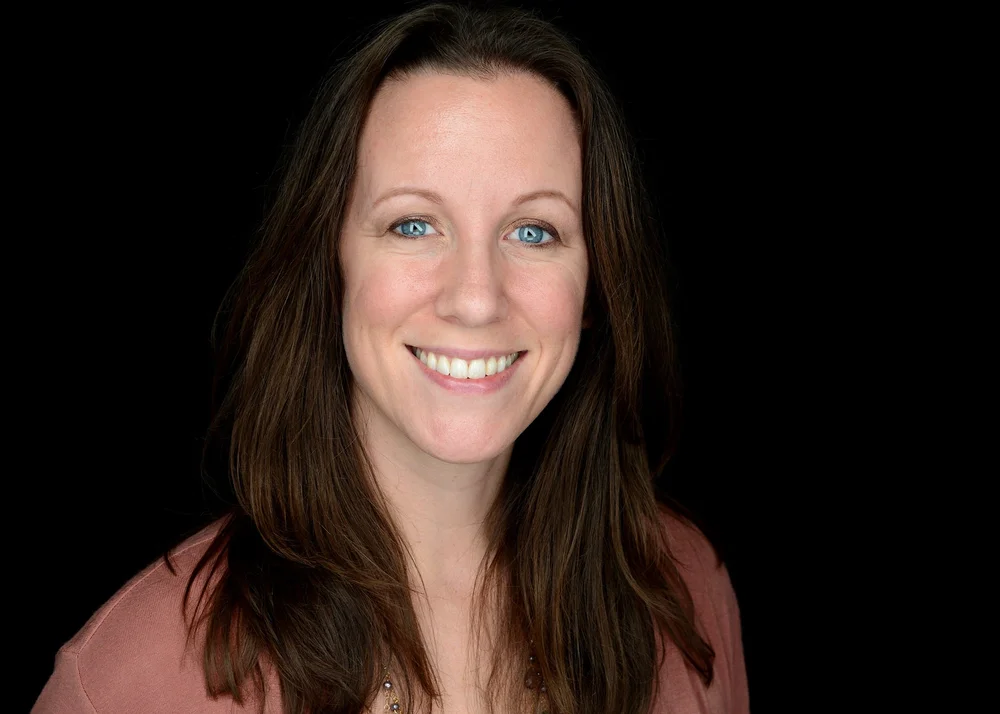
"Psychological testing does not tell you what is wrong with you. It tells you how your brain works, and finally, that makes everything make sense."
Licensed Psychologist · Clinical Director · Full bio

Frequently Asked Questions
-
Psychological testing is a structured way of measuring a person’s mind and behavior, like intelligence, personality, emotions, or cognitive abilities, using standardized tools and procedures.
Our psychologists use tests designed under the principles of psychometrics to make assessments more objective and consistent.
Tests might include answering questions (multiple choice, true/false, or open-ended), solving problems or puzzles, responding to images or scenarios. or completing tasks that measure memory, attention, or reasoning.
-
Psychological testing is made up of structured, standardized tests that measure and evaluate each individual for diagnostic purposes. Testing focuses on specific questions and gives results in a report with scores, interpretations, and recommendations.
Therapy is used for treatment and personal growth. It will have open-ended questions and feel conversational. Therapy aims to help with issues such as anxiety, depression, and relationship difficulties, not to diagnose them. It also emphasizes insight, coping skills, and change.
-
You’d typically consider psychological testing when you need clear, evidence-based answers about how you think, feel, or function; especially when those answers aren’t obvious from conversation alone. Testing is used to clarify a diagnosis or to understand learning and cognitive abilities. It can also be used to support school, work, and career decisions.
-
Psychological testing begins with the intake interview where your psychologist will ask about you concerns and symptoms, your personal, medical, and school or work history, and what you’re hoping to find out from testing.
During the testing session you’ll complete a series of tasks or questions that may include questionnaires (rating mood, personality, or behaviors), cognitive tasks (puzzles, memory exercises, or problem-solving), attention tasks (measuring focus and reaction time), or projective or open-ended tasks (responding to images or scenarios). Testing can last anywhere from 2-8 hours.
After testing, your psychologist will score your results and schedule a feedback session to share a comprehensive review of the results of your testing. You will receive a detailed explanation along with written results and recommendations for next steps to take.
-
Testing can give a diagnoses for a wide array of mental health, cognitive, and developmental conditions including:
Neurodevelopmental conditions (such as ADHD, autism, or learning disorders )
Mood and anxiety disorders (such as depression, anxiety, and PTSD)
Personality and behavioral conditions (such as BPD and APD)
Cognitive and neurological issues (such as dementia, TBI, and memory or attention deficits)
Other mental health conditions (such as OCD, eating disorders, and substance abuse issues)
-
Our psychologists us well-developed tests that are highly reliable and consistent across repeated use. Clinical tests are generally good at identifying patterns, not just single traits. Accuracy of testing improves when multiple tests are combined with interviews and history, so instead of a single “answer,” you get a well-supported interpretation from an experienced professional.
-
Your psychological test results won’t define you as a person, they’ll describe patterns in how you think, feel, and function. Think of them as a detailed snapshot to help you understand yourself better, not a final judgment.
-
No, you can’t “fail” a psychological test.
These tests are designed to measure and understand, never to judge.
Payment and insurance
Billed at an hourly rate of $290
What the hour covers
Billable time includes the testing session as well as scoring, interpretation, and preparation of your written report. Those often take as much time again as the session itself.
What your total depends on
The specific testing battery administered and the time to completion. We review the anticipated scope with you before testing begins, so there are no surprises.
Insurance and payment
Testing is almost never covered by insurance. We provide a superbill for out-of-network reimbursement, and offer CareCredit and needs-based scholarships.
In person only, at our Ogden, Utah office. Questions about cost? Call (801) 791-4975 and we will walk you through it.

OGDEN, UTAH. NO WAITLIST
Stop wondering. Start knowing.
Schedule a consultation with Dr. Gosney to discuss whether testing is right for you or your child.

From the Blog