

Phobia Treatment · Ogden, Utah
Stop avoiding.Start recovering.
Phobias do not go away on their own. But they are among the most treatable conditions in mental health, and most people see real change with structured treatment. Good Day Mental Health treats phobias in Ogden, Utah and via telehealth throughout Utah.
It is not about the thing itself.
It is about what you do to avoid it.
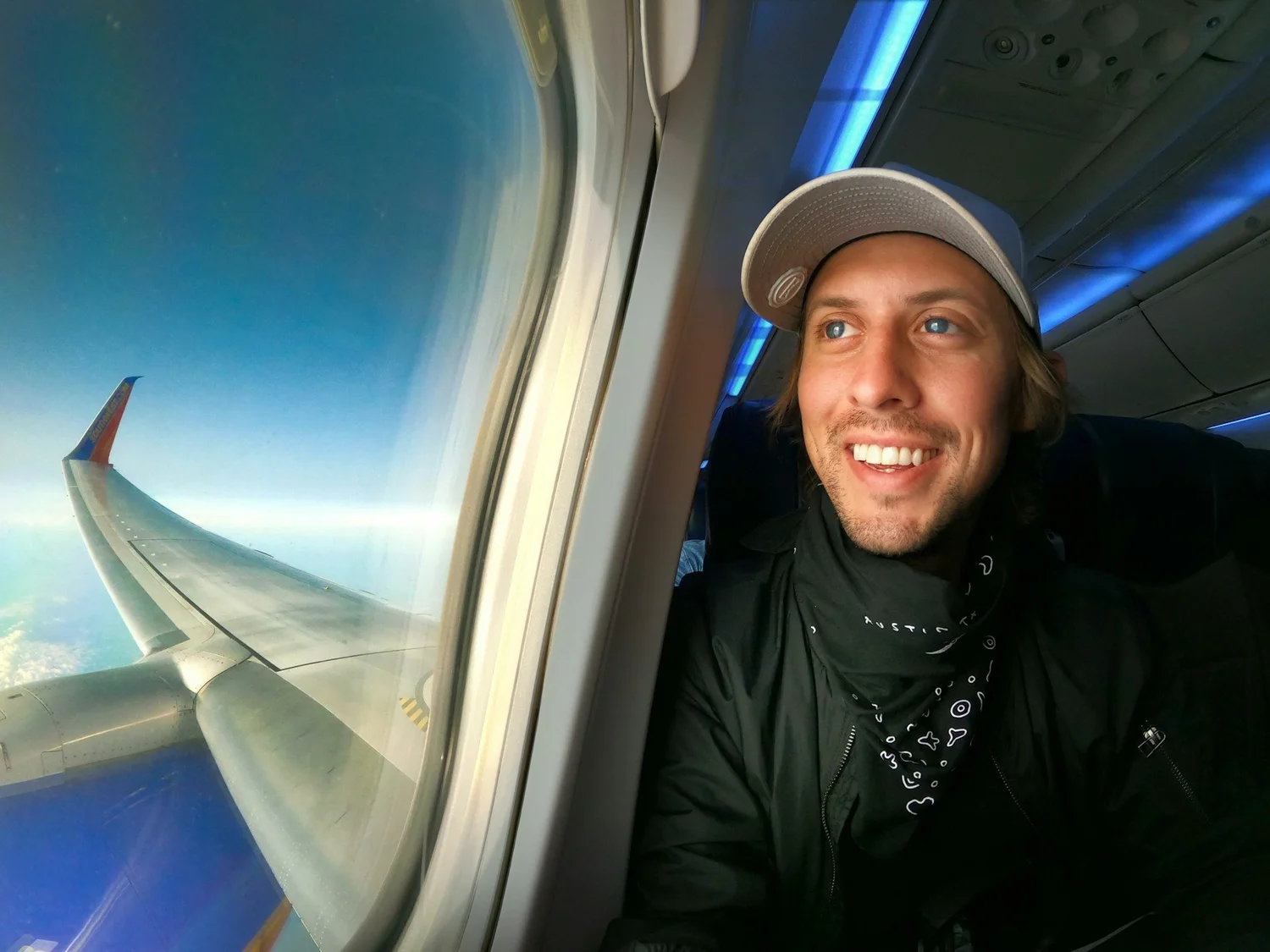
Most people have things they dislike or feel uncomfortable around. A phobia is different. It is a persistent, intense, and disproportionate fear that has reorganized your life. You plan routes that avoid the highway. You decline dinner invitations because of who might sit next to you. You have not been to the dentist in years.
The fear itself is real. But the avoidance is what gives the phobia its power. Every time you avoid the feared situation, you teach your nervous system that the threat was real and the escape was necessary. Over time, the world gets smaller. That same mechanism drives compulsions in OCD and avoidance after trauma, which is why exposure works across all three.
"Phobias are maintained entirely by avoidance. The moment you stop avoiding, the fear response starts to lose its grip. That is not a philosophy. That is what the research shows, and it is what we see in practice."
Dr. Clarissa Gosney, PsyD
Clinical Director, Good Day Mental Health · Full bio
At Good Day Mental Health in Ogden, Utah, Dr. Clarissa Gosney, PsyD and Dr. Carissa Douglas, PsyD treat phobias using CBT and structured exposure therapy for children, teens, and adults.


Do I have a phobia? How can I tell?
A phobia is a type of anxiety disorder where a specific object, situation, or activity provokes fear far stronger than the actual danger. Plenty of people dislike spiders, heights, or public speaking. A phobia is more extreme, and it usually interferes with daily life.
When you have a phobia the fear is intense and immediate, you go out of your way to avoid the trigger, and the fear feels out of proportion to the real risk. It disrupts daily life, and it persists. That last part matters, because one frightening experience is not a phobia. Months or years of rearranging your life around it is. Exposure therapy is what breaks that pattern.
How exposure therapy actually works.
Assessment and hierarchy
You and your therapist map the phobia: what sets it off, and what you have been arranging your life to avoid. Together you build a fear hierarchy, ordering situations from the least anxiety-provoking to the most.
Cognitive preparation
CBT identifies the thought patterns that keep the fear running and teaches new ways of reading the trigger. This is the groundwork that makes the exposure itself more effective and more lasting.
Structured exposure
Graded, systematic exposure to items on the hierarchy, at a pace you control. Nothing happens without warning. Each successful exposure weakens the fear response and the avoidance that has been feeding it.
Generalization and discharge
Treatment ends when you can function in previously avoided situations without meaningful impairment. Discharge is the goal from the first session, not an indefinite schedule. When anxiety or other conditions are part of the picture, the Elite Dual Intake coordinates care across psychiatry and therapy from day one.

The clinical case for exposure therapy
Exposure therapy is the most rigorously studied behavioral intervention in the anxiety disorder literature. For specific phobias, response rates exceed 90 percent in clinical trials. The mechanism is well understood: avoidance prevents the conditioned fear response from extinguishing, and exposure is what allows it to.
Most people who complete a structured course see clinically meaningful improvement, and many reach full remission. The limiting factor is almost always finding a provider trained in structured exposure, not the severity of the phobia or how motivated the patient is.
Evidence base: CBT and exposure therapy for specific phobia, APA Division 12 research-supported treatments
The Elite Dual Intake
When phobias are part of a broader anxiety or psychiatric picture, your therapist and psychiatric provider meet together at your very first appointment. One coordinated plan from day one. The Elite Dual Intake is exclusive to Good Day Mental Health in Ogden, Utah.
Learn more →
-
A phobia is a type of anxiety disorder focused on one clear trigger. Anxiety is a broader feeling of worry, nervousness, or fear. It doesn’t always have a clear trigger.
-
Specific Phobias are Fear of a particular object or situation. Some examples include:
Arachnophobia – fear of spiders
Acrophobia – fear of heights
Claustrophobia – fear of tight or enclosed spaces
Aviophobia – fear of flying
-
A social phobia is an intense fear of social situations where you worry about being judged, embarrassed, or humiliated.
This is formally called social anxiety disorder.
-
Phobias can develop from:
A traumatic experience
Learned behavior (e.g., seeing someone else react fearfully)
Brain chemistry and genetics
Stressful life events
-
Yes, eventually. But not before you are ready, and never alone. Exposure is gradual, collaborative, and structured. Your therapist builds a hierarchy with you and works through it at a pace you control. The exposure is what makes the fear lose its power. There is no other way that works as reliably.
-
Most specific phobias show meaningful improvement in 6 to 12 sessions. Some in fewer. Social anxiety and agoraphobia typically take longer. Every plan at Good Day Mental Health has a projected timeline from the first session.
-
No. Phobias that have been present for years respond to the same treatment as recent ones. The exposure process is adapted for age and developmental stage through our pediatric therapy program. Parents are involved throughout.
-
Yes. Therapy for phobias is available via telehealth throughout Utah. In-person appointments are available at our Ogden clinic. Dr. Carissa Douglas also sees patients in person at our St. Charles, Missouri location.
-
Medication is not a primary phobia treatment but may support therapy when anxiety is severe. If medication is appropriate, our psychiatric provider in Ogden coordinates directly with your therapist.

How do you diagnose a phobia?
Diagnosis rests on a detailed psychological evaluation by one of our licensed clinicians. They will ask what you are afraid of, how long you have had the fear, what happens when you encounter the trigger, which places or situations you avoid, and how much all of it costs you at work, at school, or in your relationships.
The harder question is what else might be going on. Broad, untethered worry looks more like generalized anxiety. Fear that follows a specific event may be closer to trauma. Avoidance driven by an intrusive thought rather than the situation itself points toward OCD. The distinction changes where exposure work begins.
From there we build the plan together, and the goal is discharge rather than an open-ended schedule.


Avoidance keeps phobias alive. Exposure ends them.
Exposure-based phobia treatment in Ogden, Utah, with telehealth throughout the state. Most major insurance accepted.
Ogden · North Ogden · Roy · Layton · Clearfield · Syracuse · Kaysville · Weber County · Davis County · Wasatch Front





From the Blog